
The Southern Agricultural Growth Corridor (SAGCOT) represents the regions in Tanzania with the highest agricultural potential. These regions are home to millions of people and ancient ecosystems including the Eastern Arc Mountains, a 30 million year old forest and Ruaha National Park, home to the world’s largest population of wild lions.
One fact that is undeniable when discussing agriculture is that more than 60% of Tanzania’s land is degraded, largely due to poor farming practices and deforestation. This has resulted in biodiversity loss and an increased vulnerability to climate shocks pushing rural communities further into poverty.
IUCN and its partners launched SUSTAIN Eco and SUSTAIN Pro in an effort to mobilise and harmonise stakeholders towards ethically and sustainably tapping into these agricultural opportunities.
That means unlocking opportunities that nourish the earth instead of extracting from it whilst also generating income for the communities that live within these landscapes.
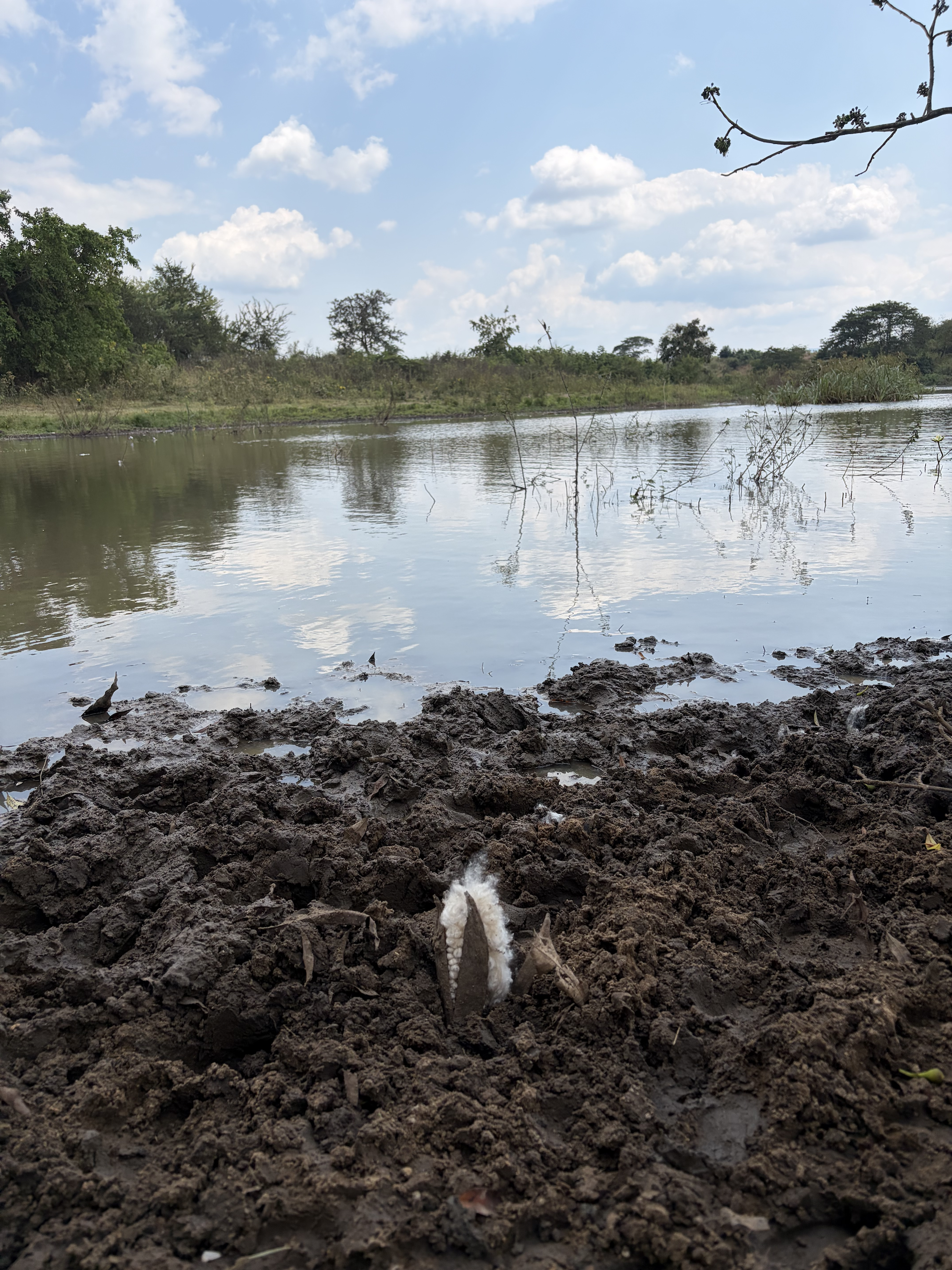
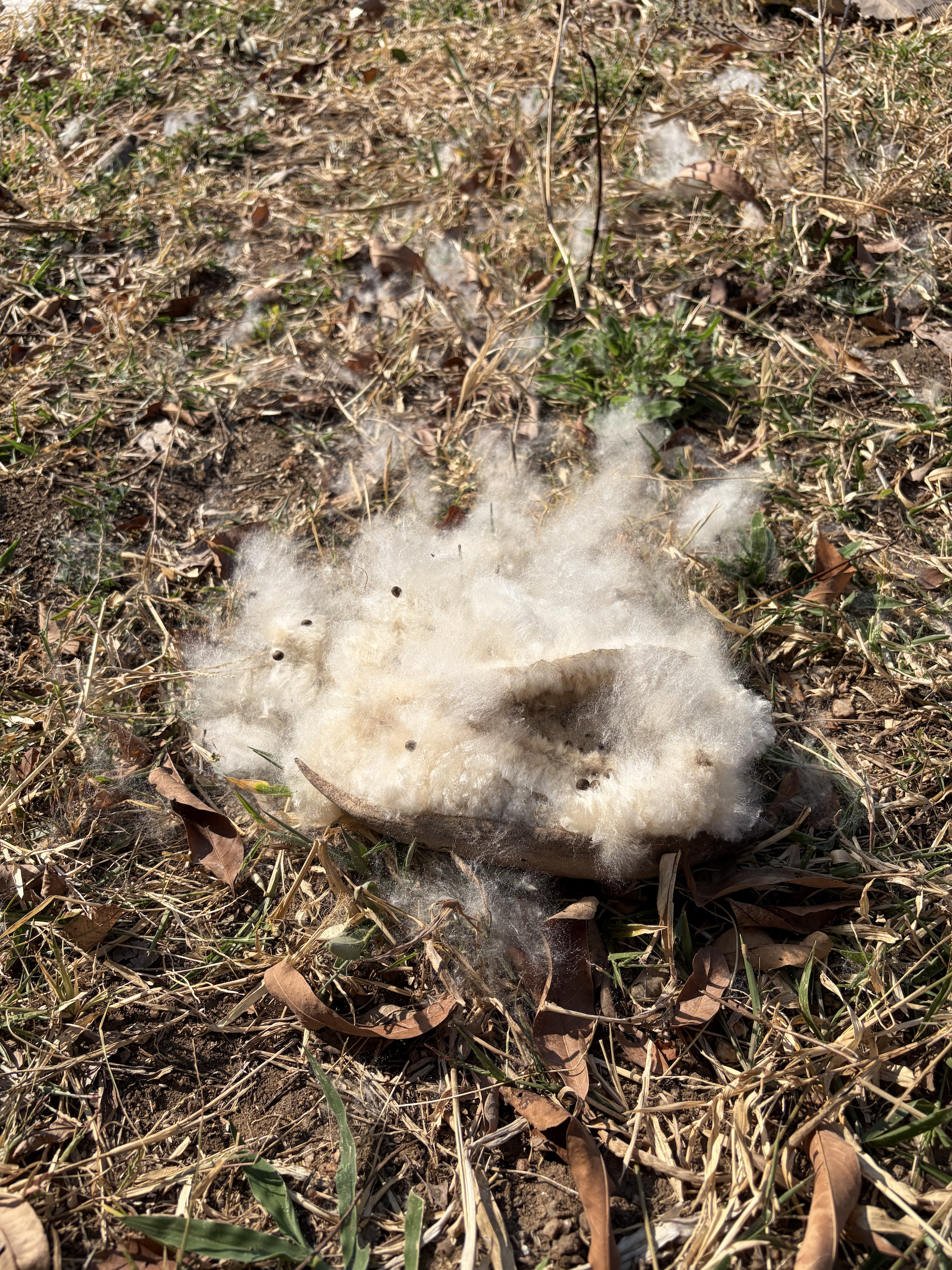
Winning the SUSTAIN Youth Champion Award
In 2025, Kapok Collective was awarded the SUSTAIN Youth Championship for our efforts in developing a community-centred, regenerative value chain that improves land-use, water efficiency and reduces soil degradation.
This award provided us with technical and financial support to pilot our work within SUSTAIN landscapes.
Through this support, we have expanded our supply chain to 12 additional villages, creating income opportunities and consistent economic value for more than 200 standing trees in this landscape alone.
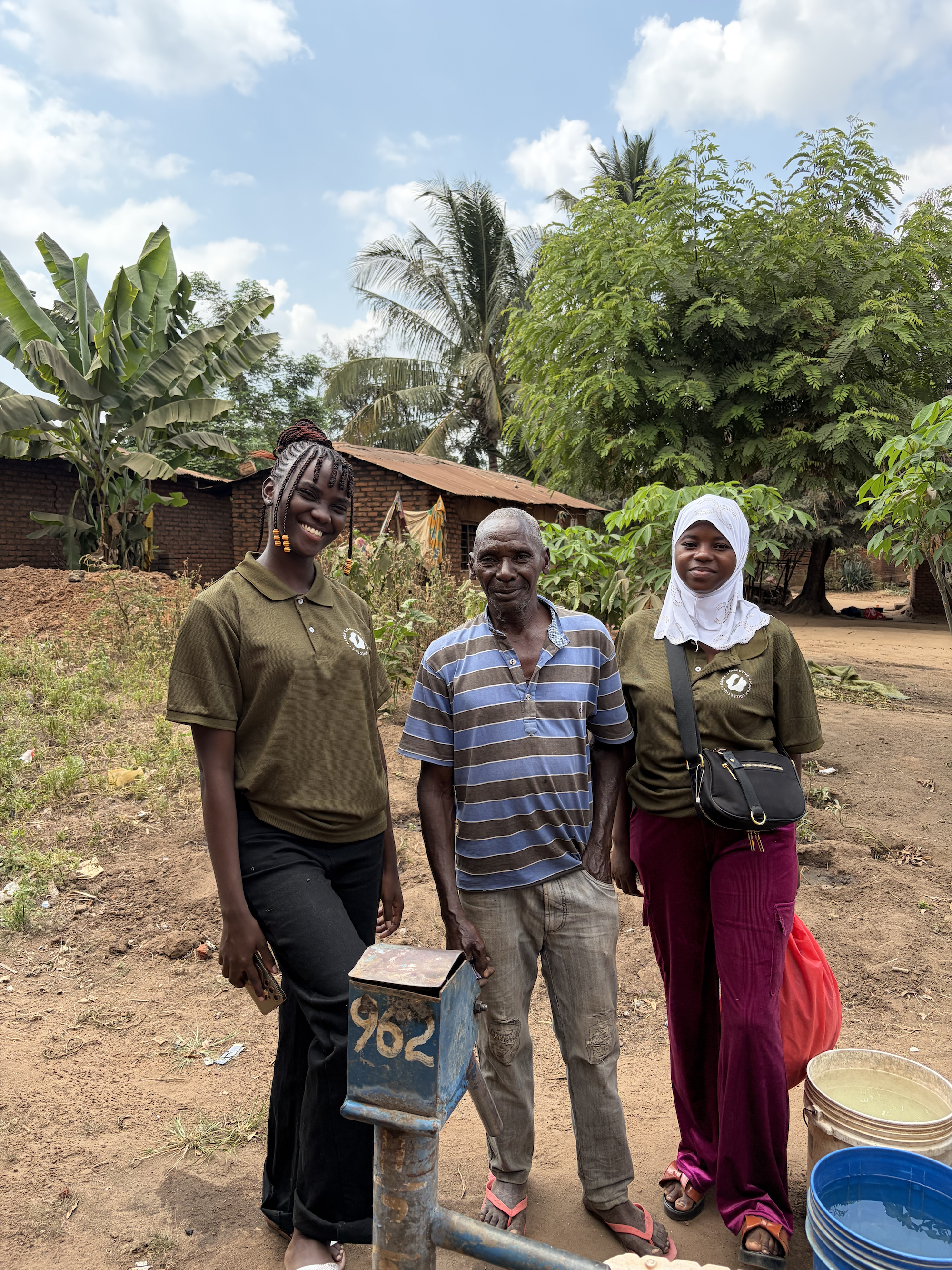
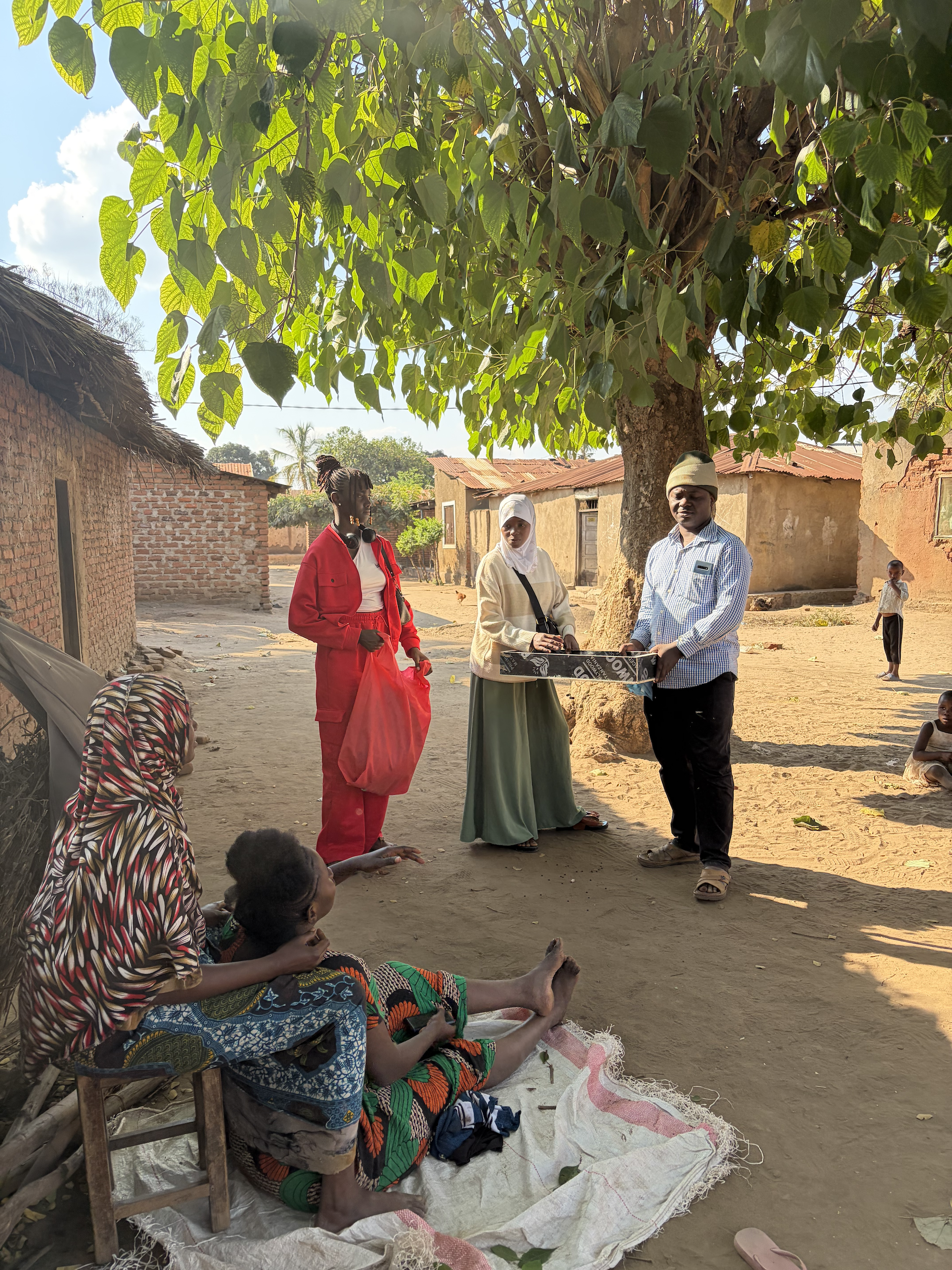
Kapok harvesting: a regenerative business opportunity
Records of kapok cultivation in Tanzania date back to over a thousand years ago.
Large kapok forests with ancient trees exist within critical forests and biodiversity hotspots like Mikumi National Park and the Eastern Arc Mountains. Yet, in recent years, thousands of kapok trees have been cut down for firewood, lumber and to make space for commercial farms.
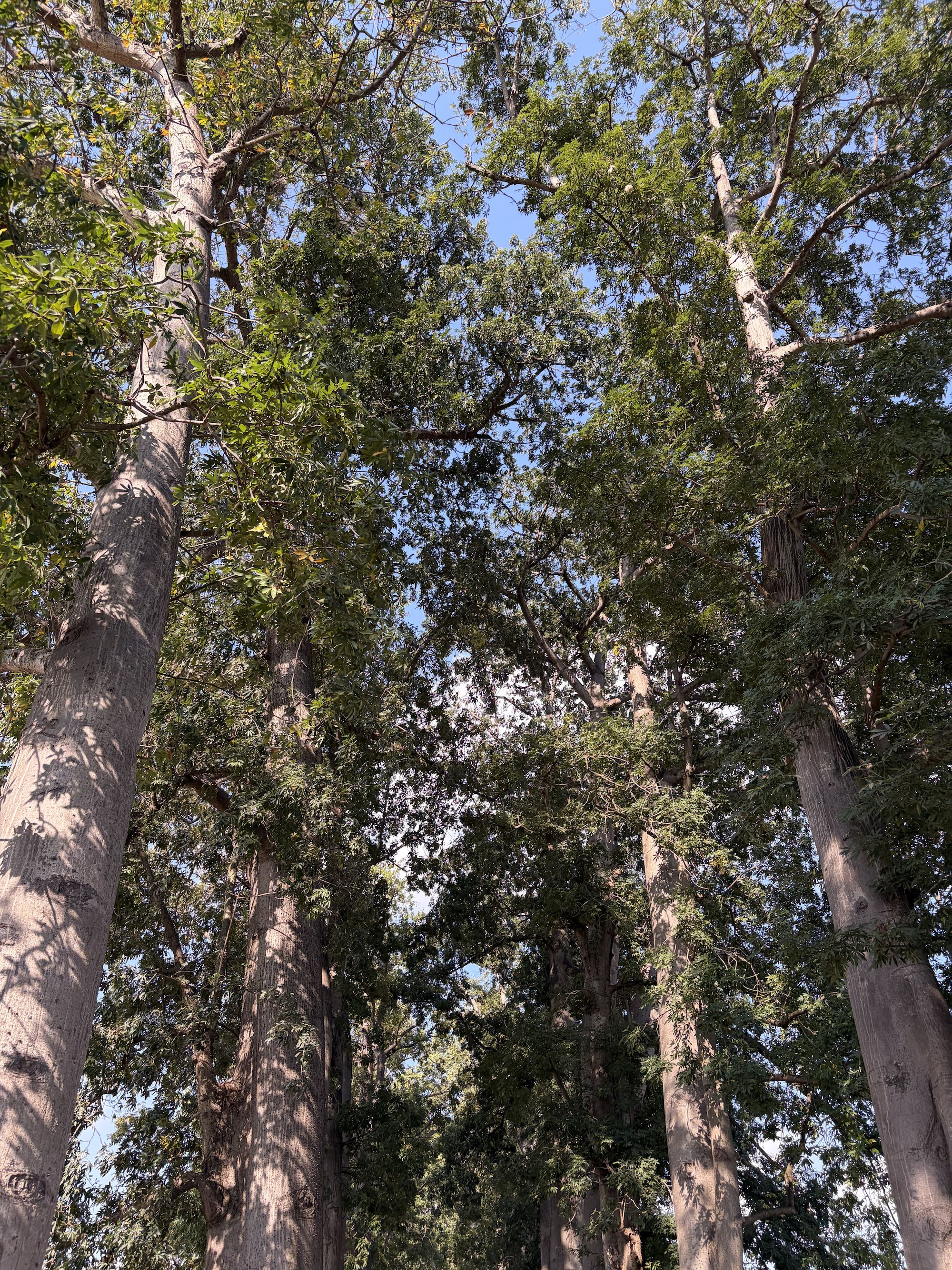
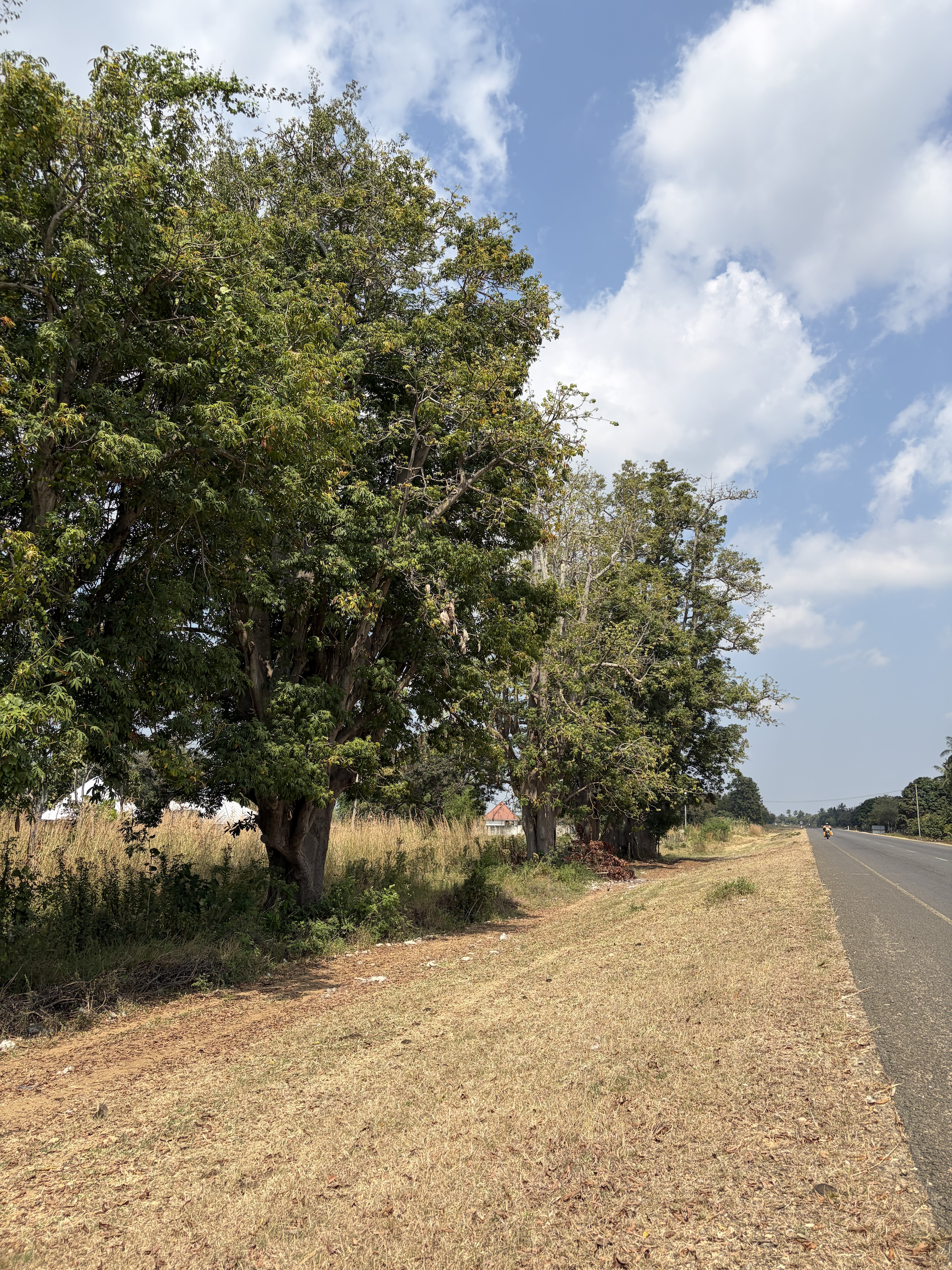
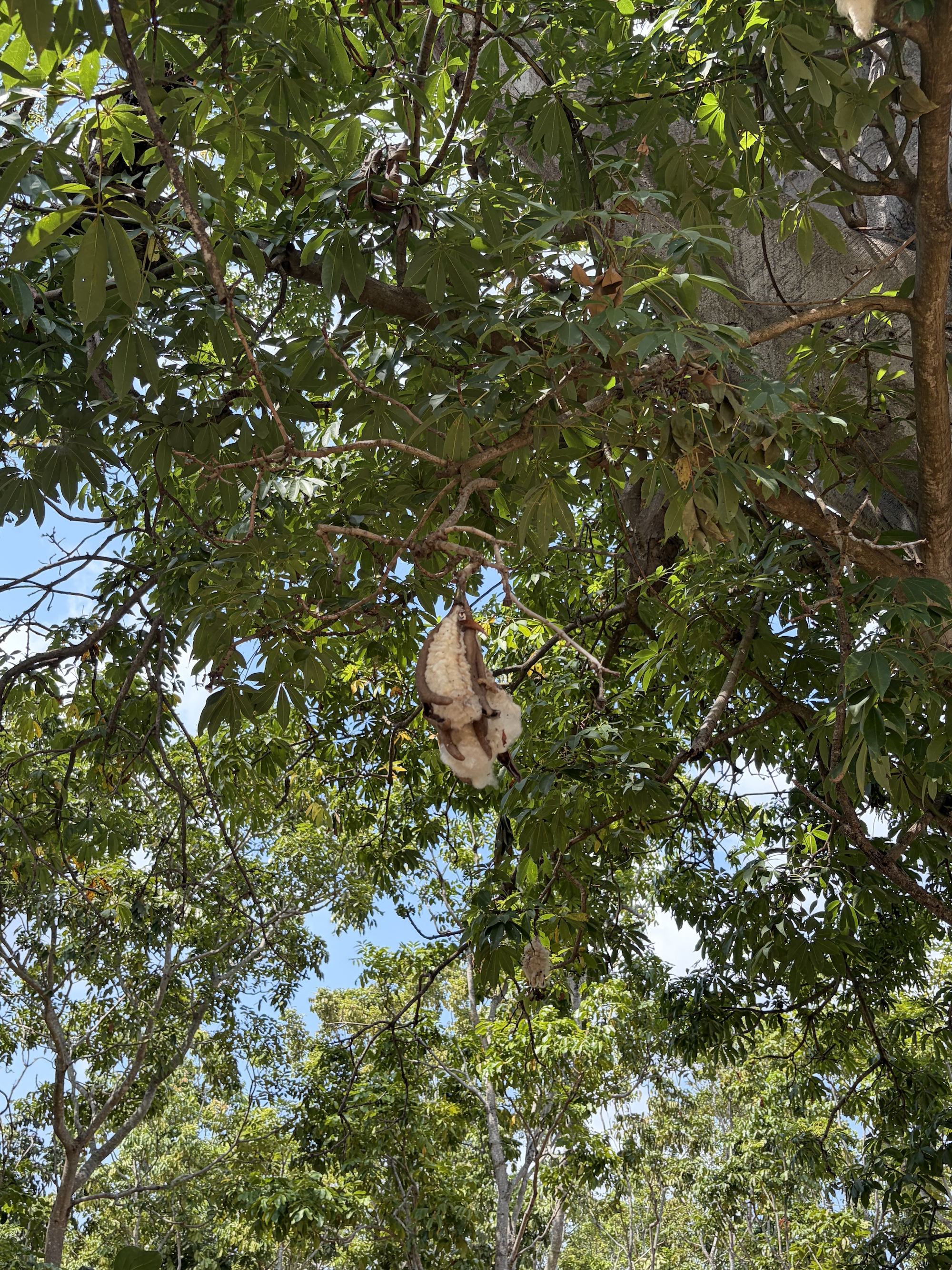
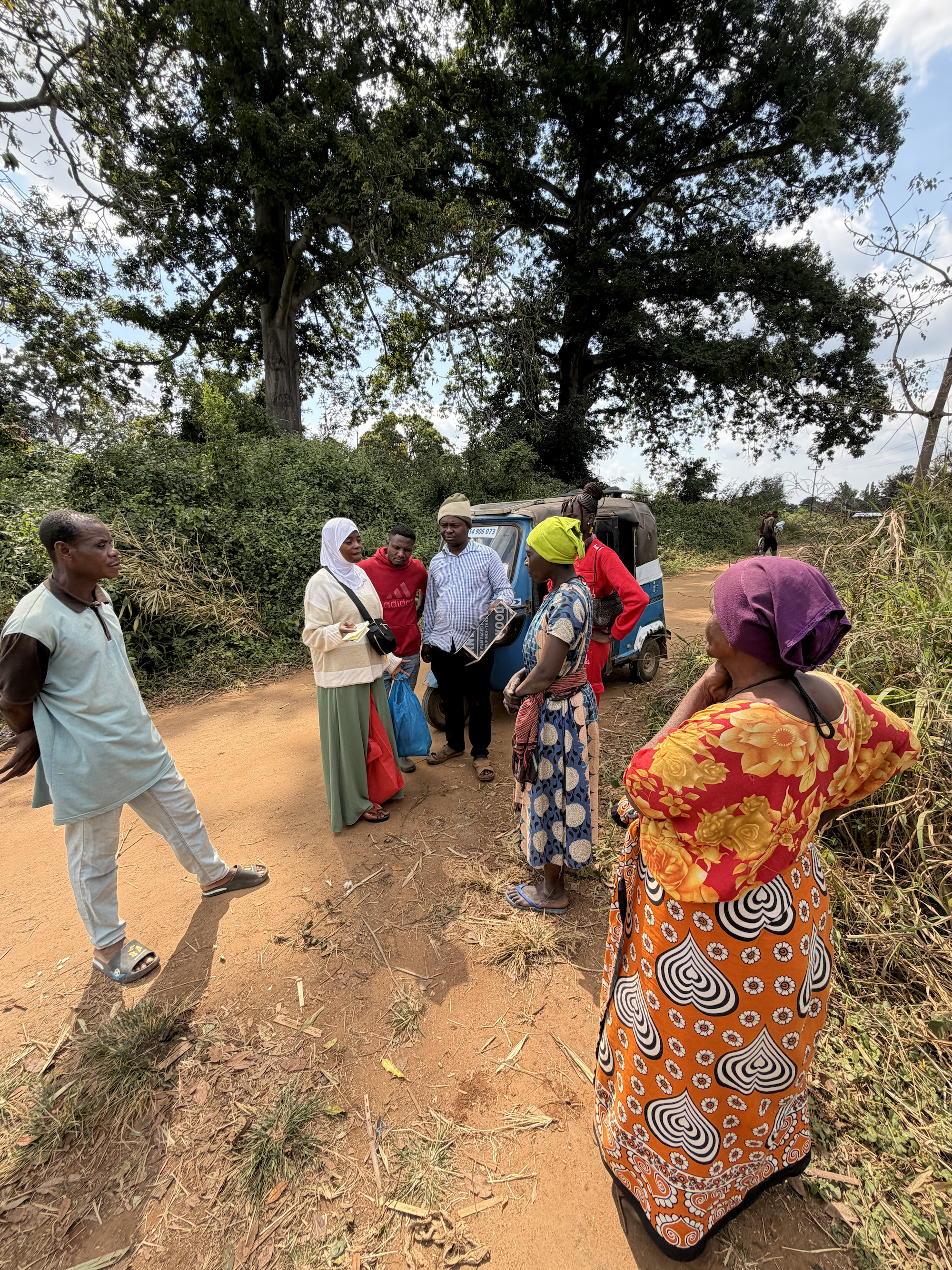
“This area was full of trees. It was even called the kapok forest locally but in the last decade, we’ve lost most of the trees. These few remain because we begged the government to keep them. They are our source of rain and we have felt the difference since the forest was cut. ”
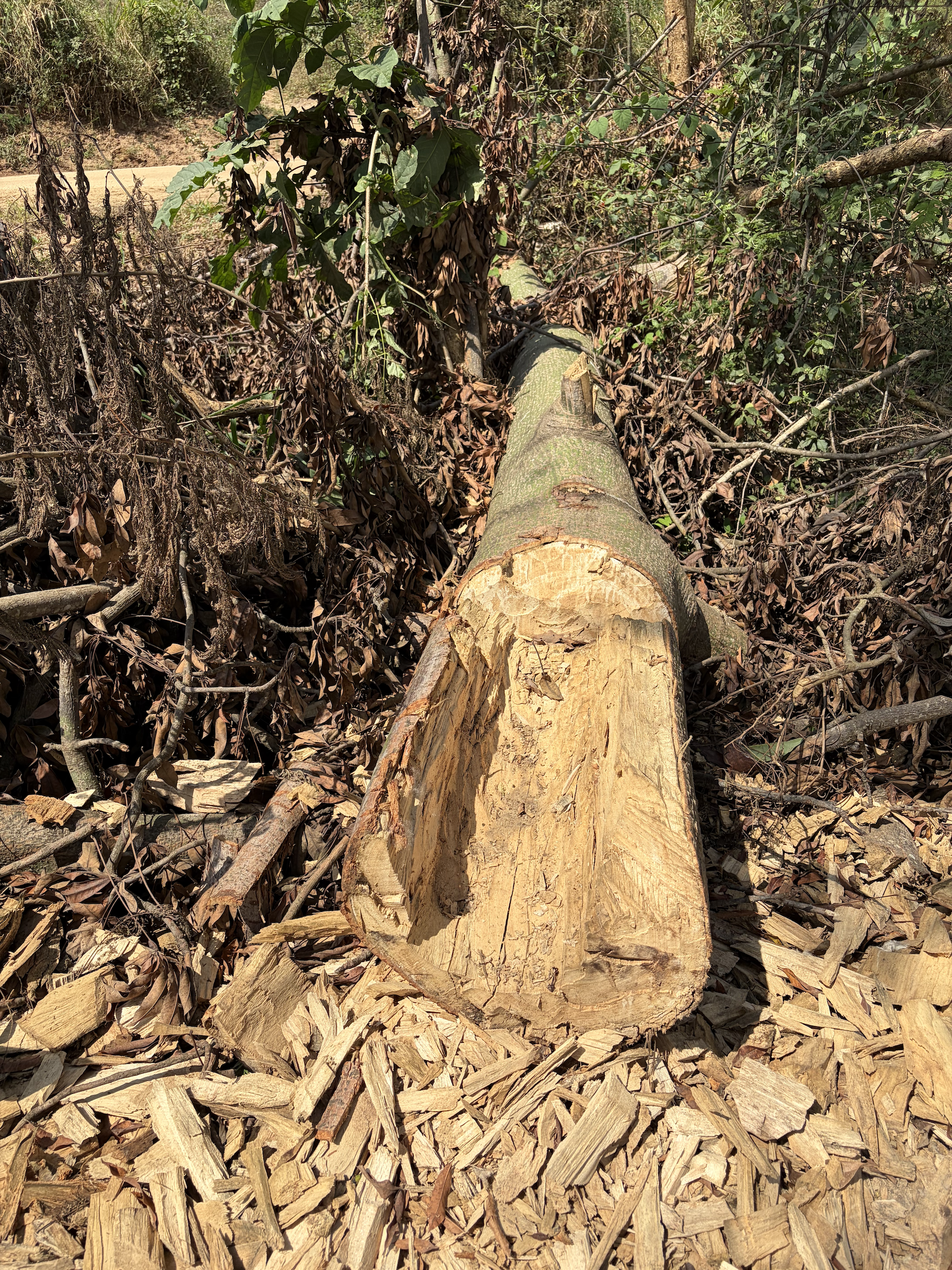
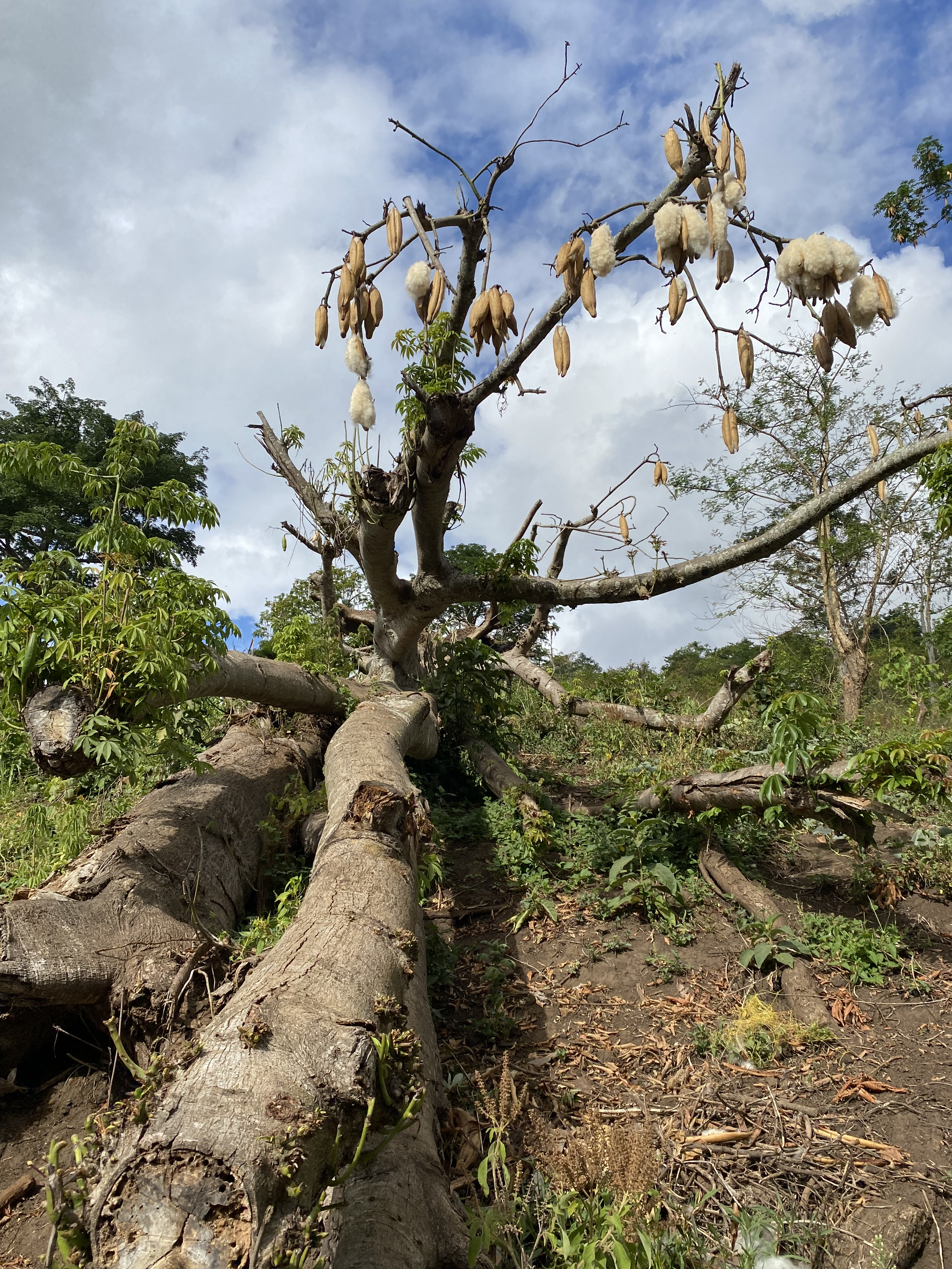
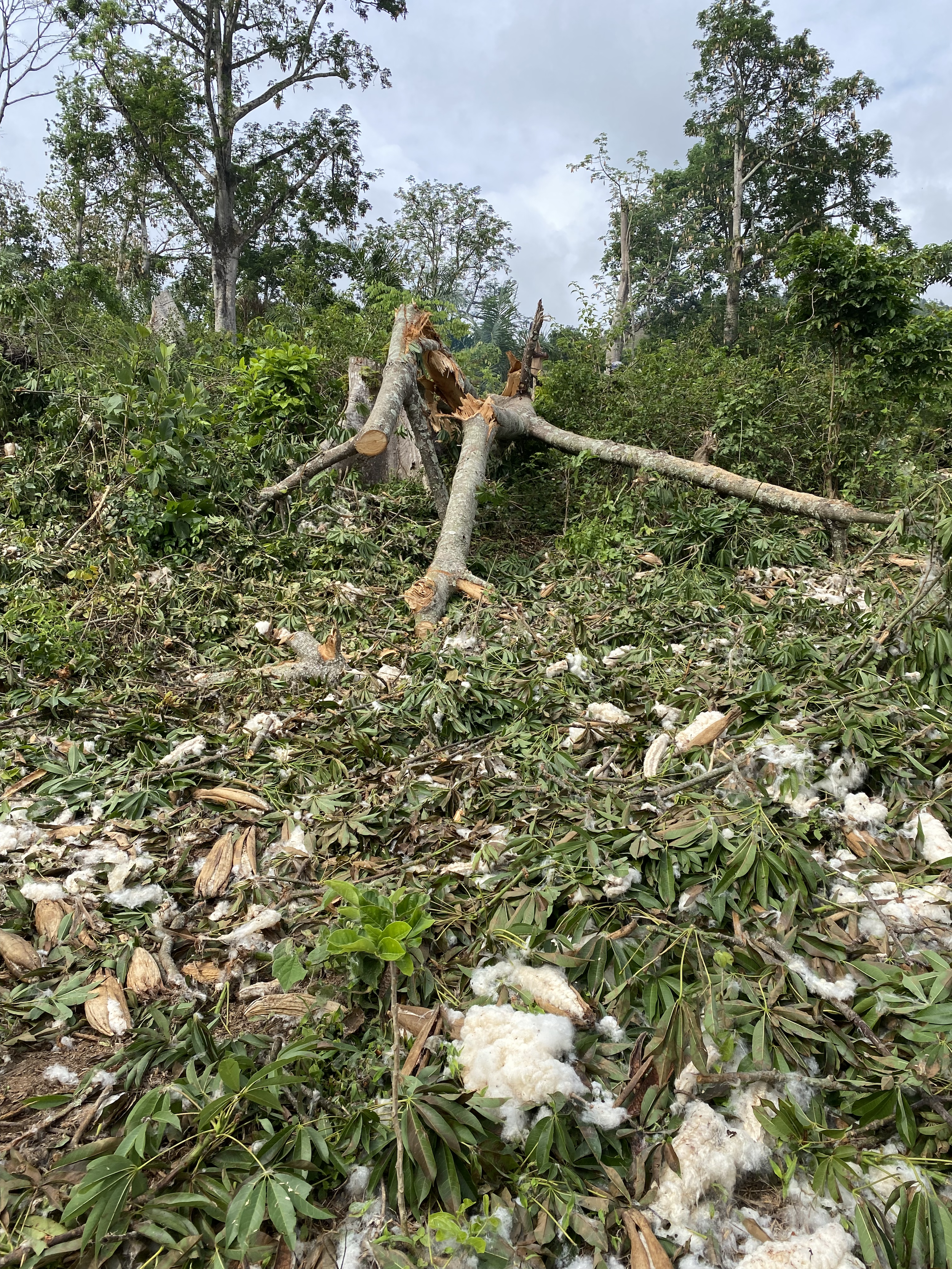
Kapok trees grow without irrigation systems or chemical inputs and can produce fruits for hundreds of years.
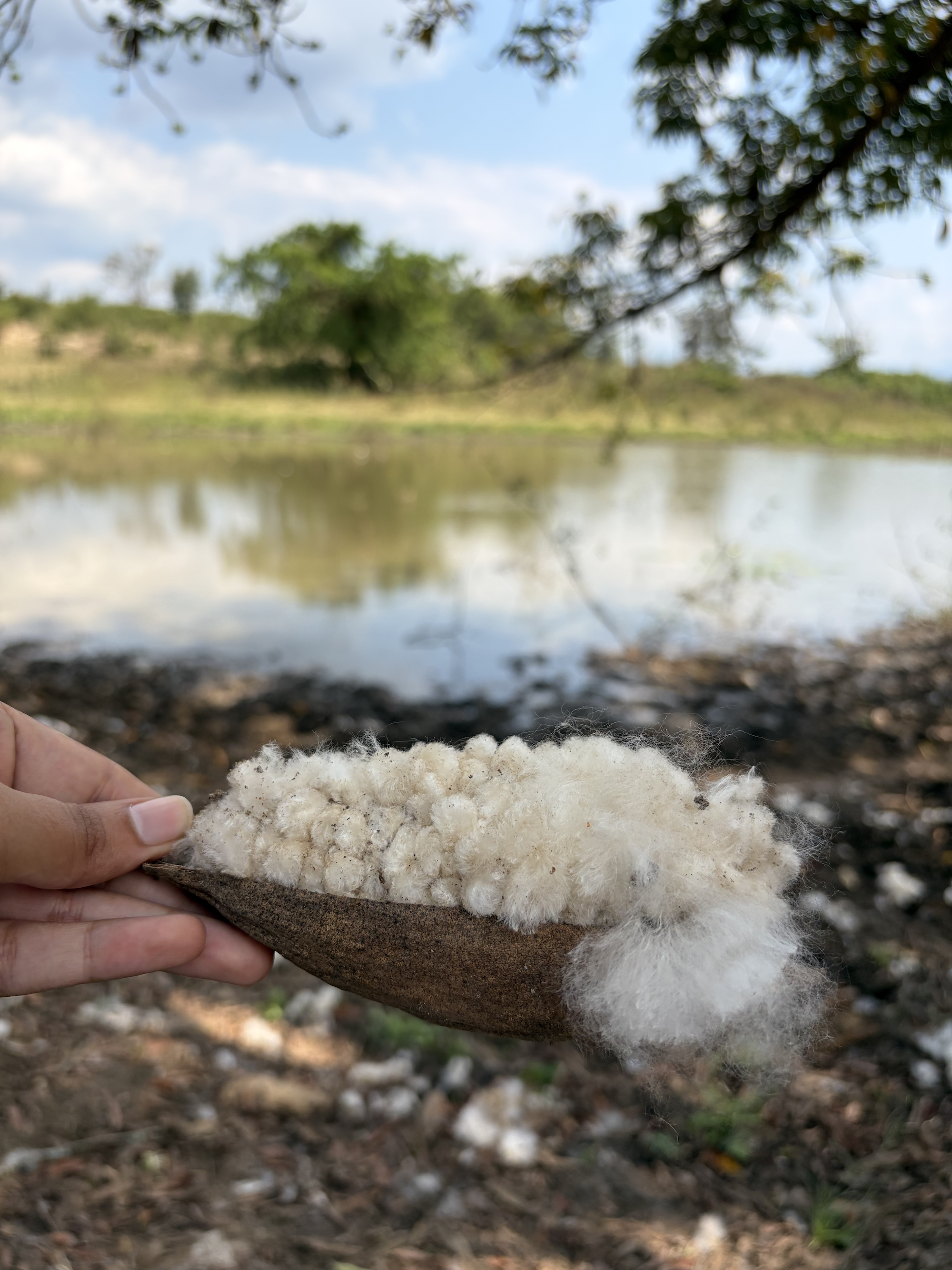
The trees are resilient to droughts and grow up to 60 metres tall. Each year, thousands of fruit pods burst open with a soft and silky natural fiber that has been traditionally used for stuffing, insulation and even textiles.
But like you see, without buyers, tonnes of kapok fiber is wasted each year while environmentally hazardous materials continue to dominate consumer markets.
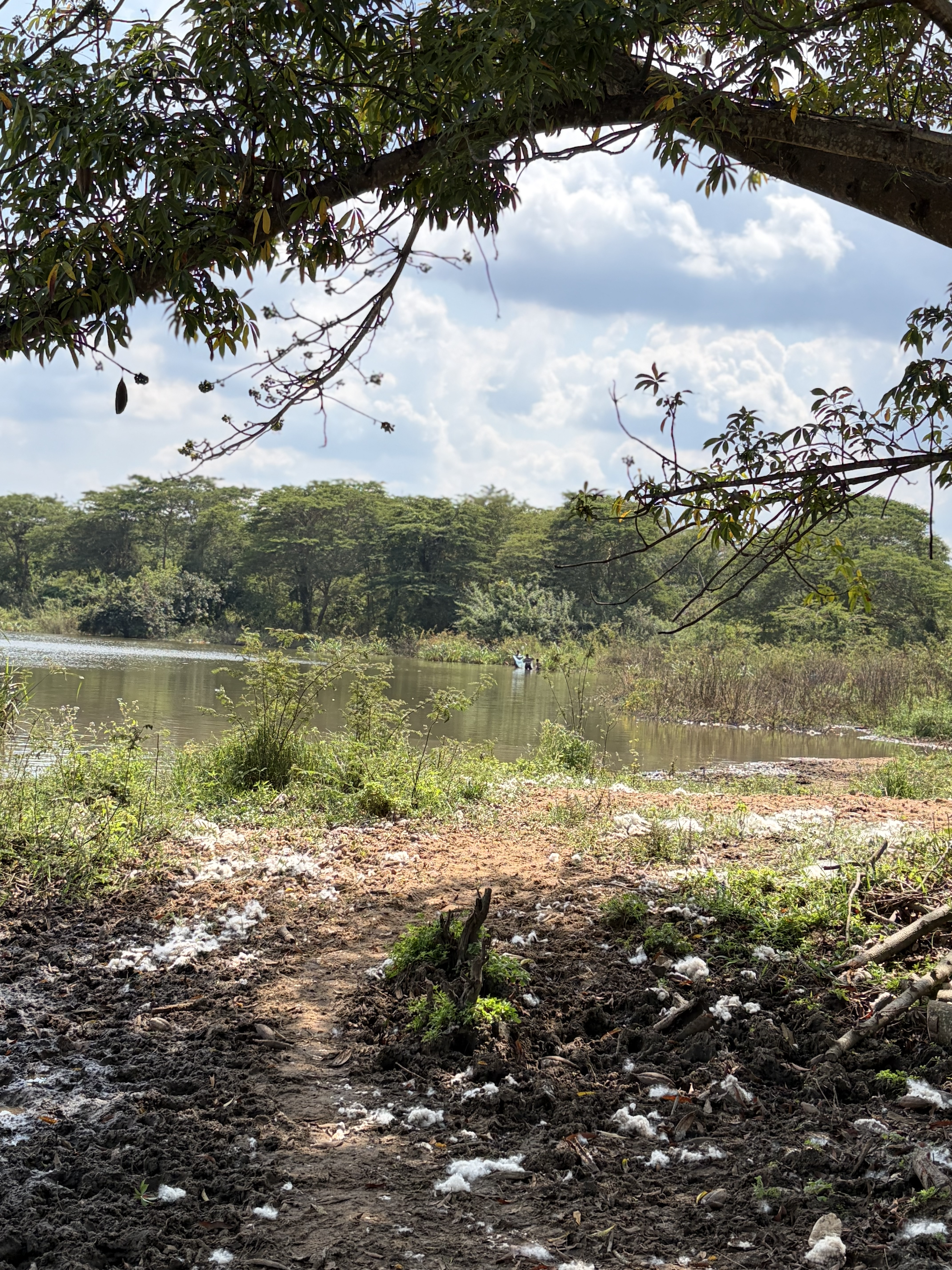
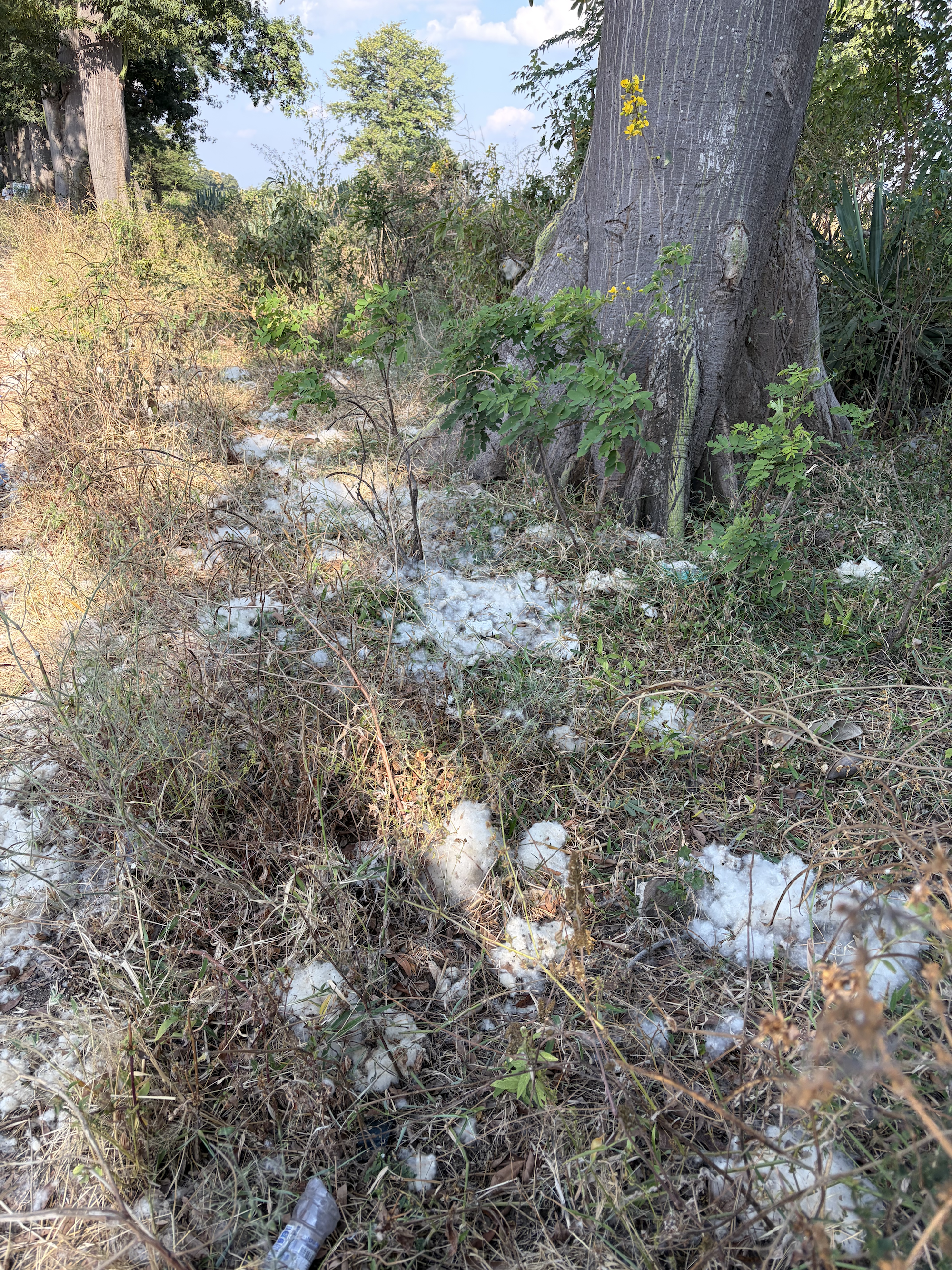
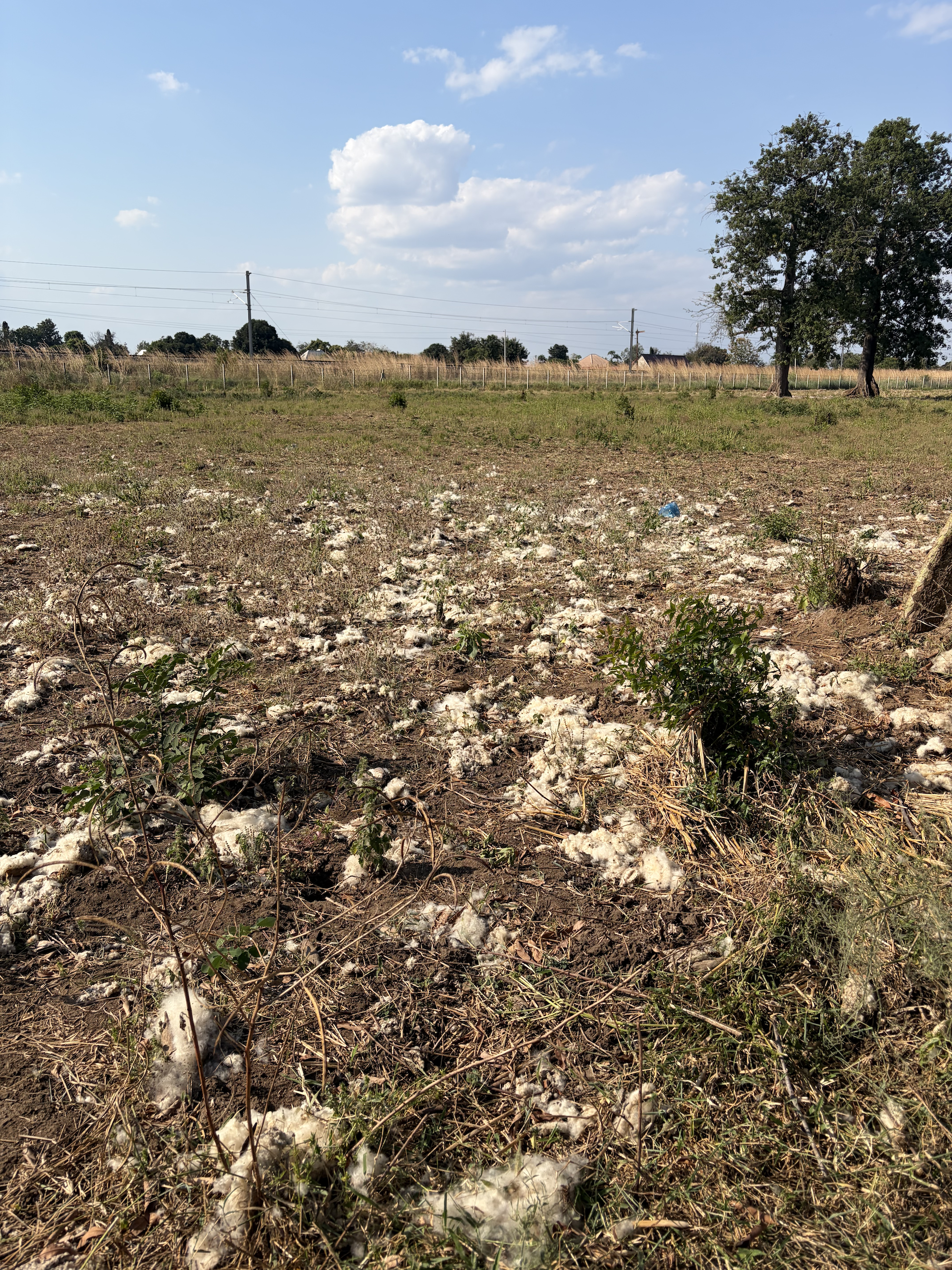
As the majority of Tanzanians depend on agriculture which is increasingly unpredictable, there is an urgent need to develop alternative income sources that are regenerative and sustainable.
Kapok harvesting fills this gap by creating a new income source for rural communities.

By turning kapok into soft-furniture, we’re:
Creating jobs and increasing local revenue
Building industrial infrastructure in rural villages
Reducing reliance on furniture imports
Increasing revenue from regenerative resource use
Avoiding the use of environmentally hazardous synthetic fillings
As we build the kapok value chain, we’re positioning Tanzania as a leading provider of biodegradable materials for emerging markets. As more countries, companies and consumers commit to reducing plastic use, biodegradable and functional fibres like kapok are increasingly in-demand.
Linking standing trees to income sources incentivises their protection. This locks carbon, encourages agro-forestry practices, improves land-use and helps to protect and revive critical landscapes.
We’re incredibly grateful for the support this award has provided. The impact of this award will continue to grow and steward this landscape.
