
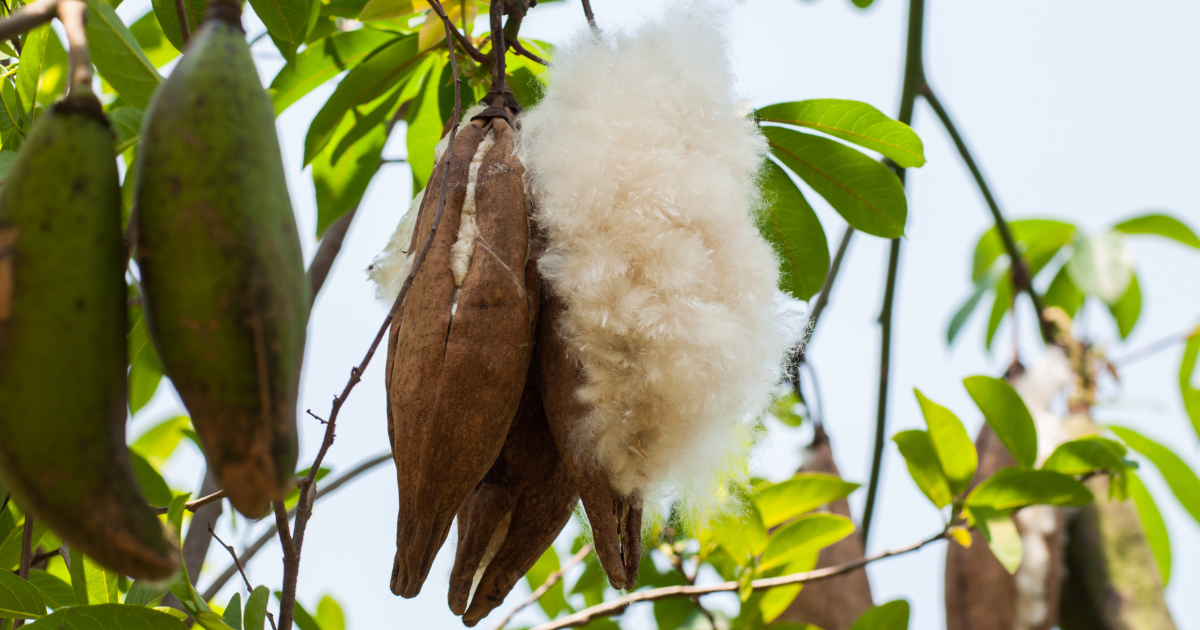
A gift from nature
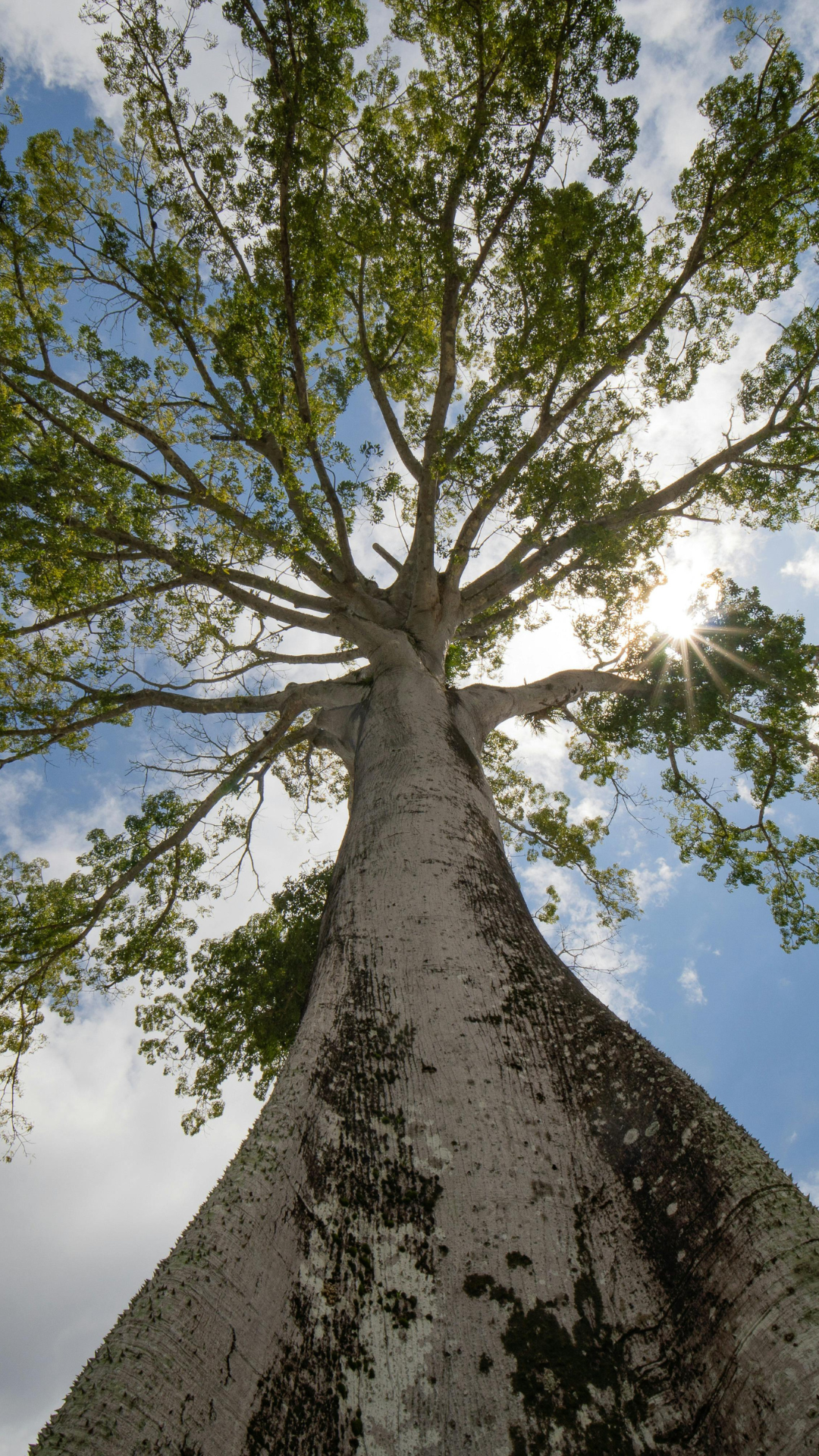
Meet the mighty kapok tree
A large tree that grows across the tropics.
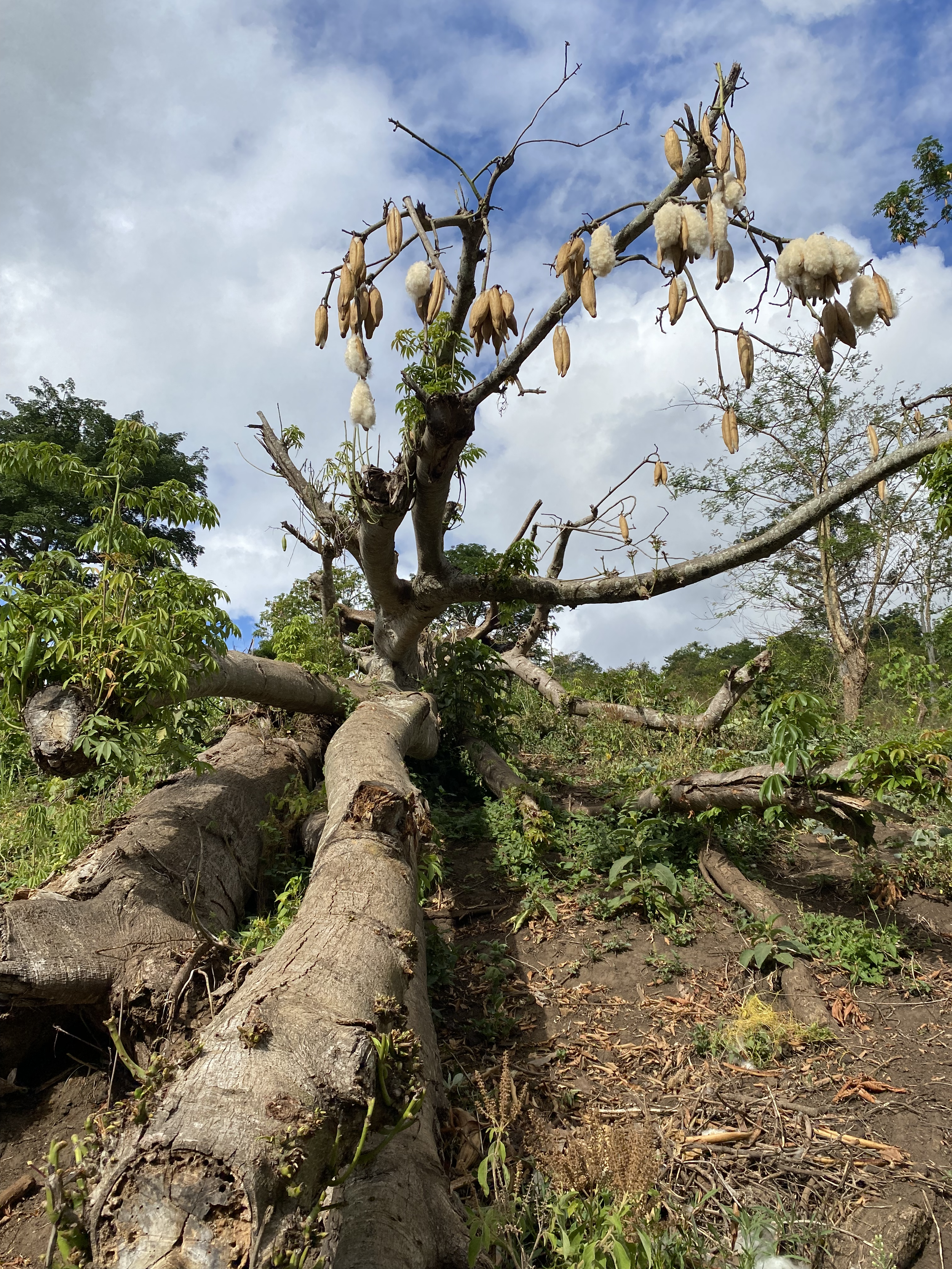
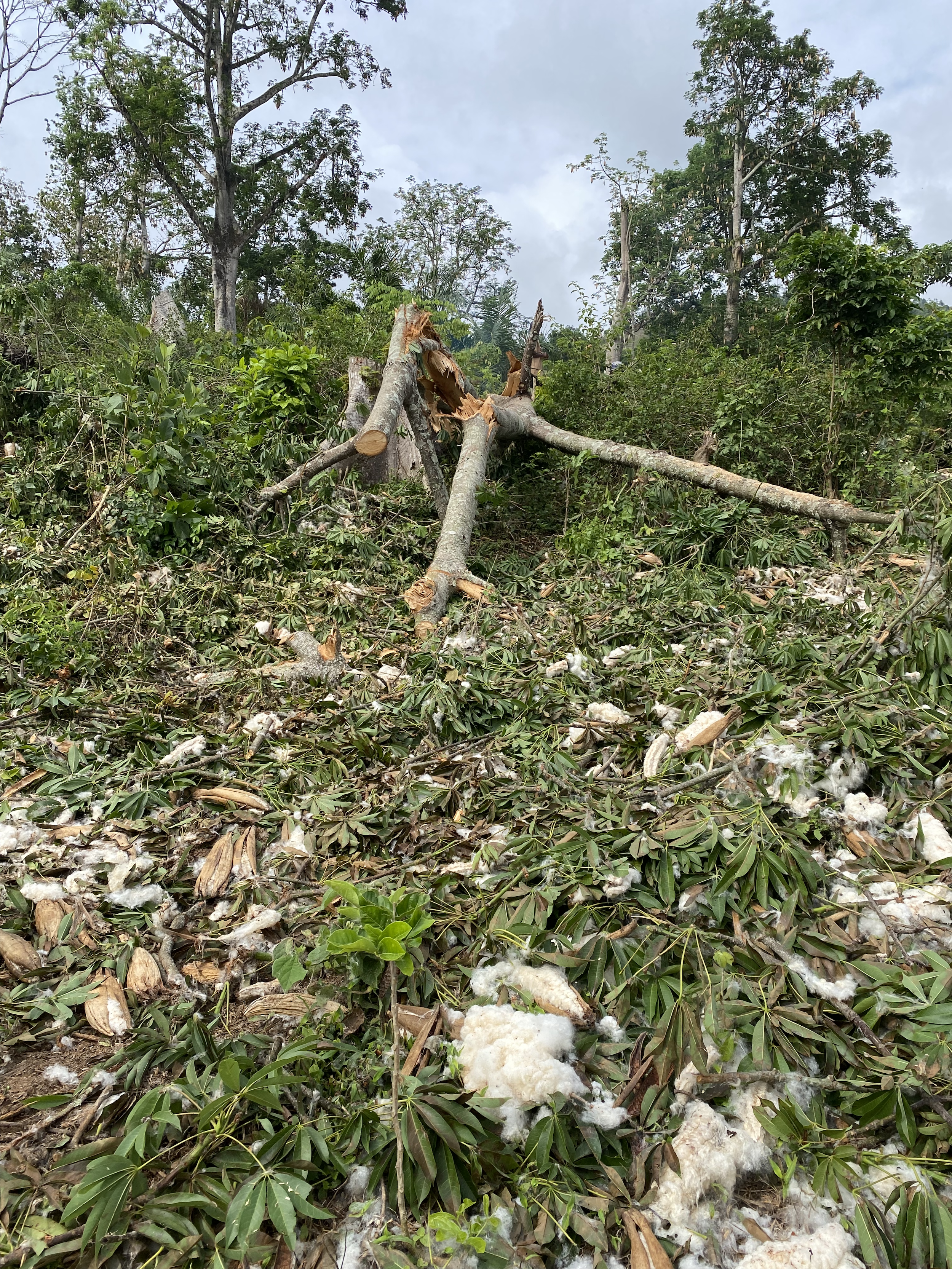
It was traditionally cultivated for the fiber of its fruits but as plastic took over, these fibers have been neglected and the trees face deforestation.
How We Work
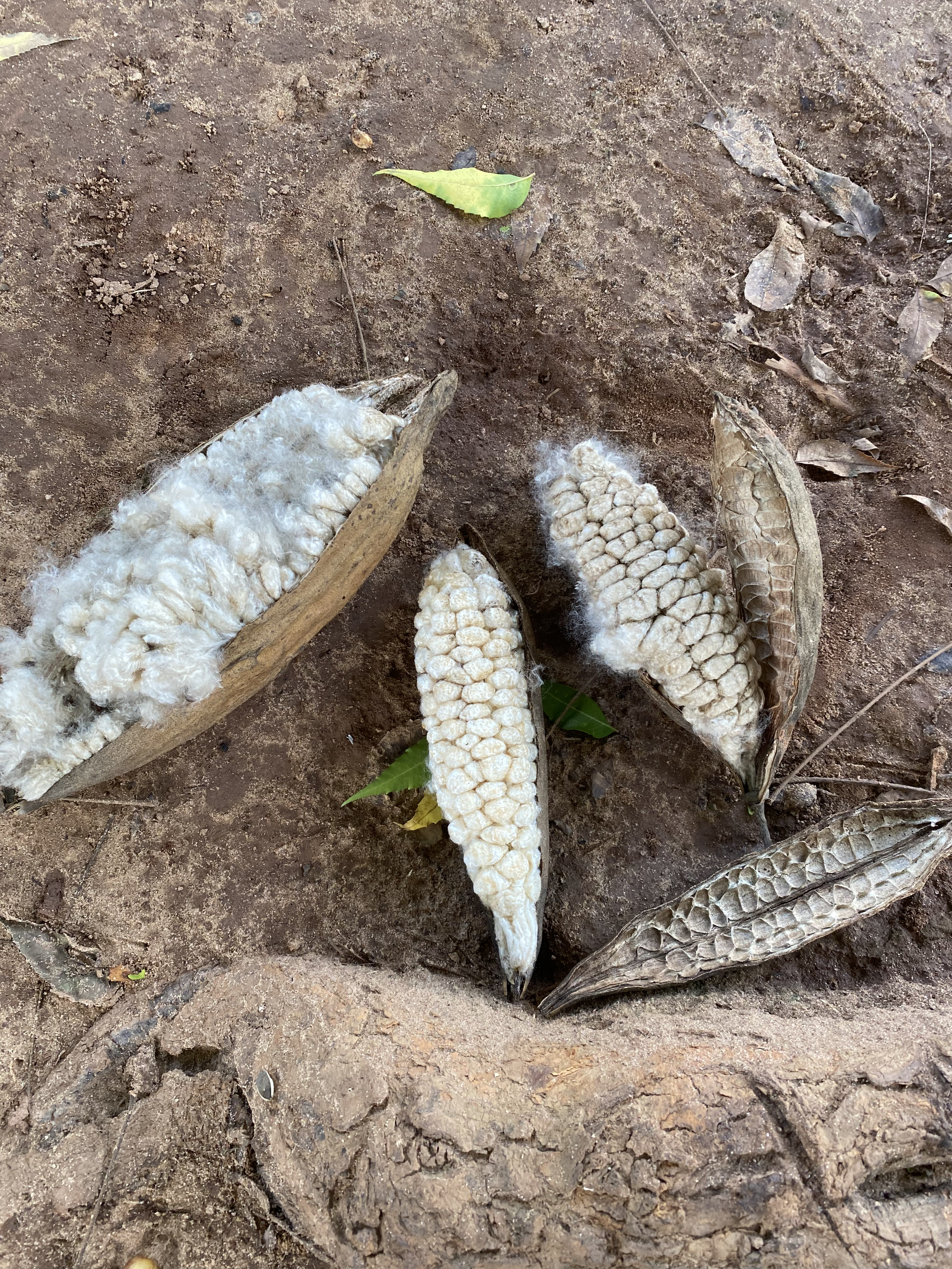
Harvesting & Collection
Rural communities across Tanzania collect kapok fruits from forest and village floors.
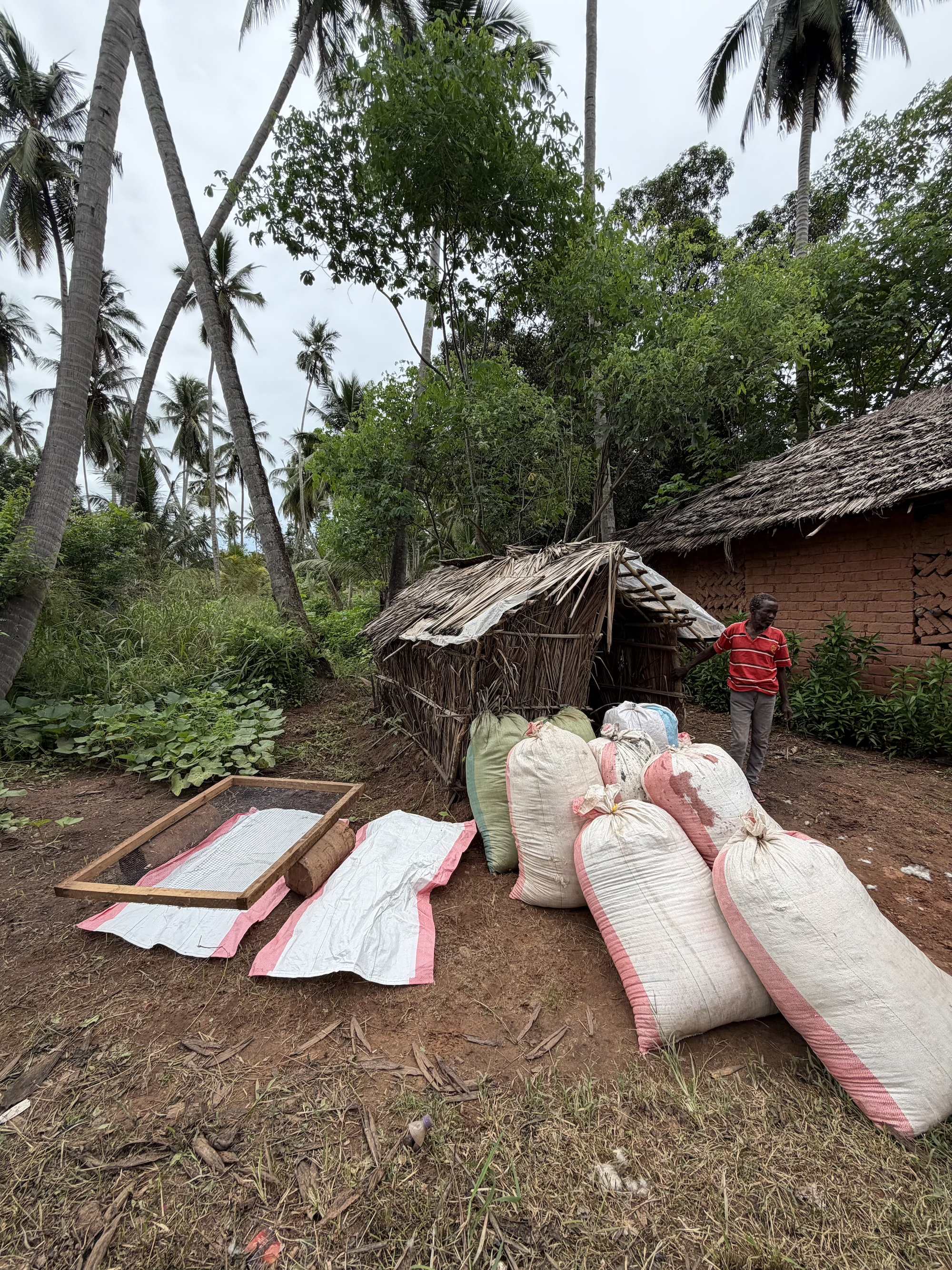
Processing
The fruits are peeled and de-seeded, and the fiber is packed into sacks.
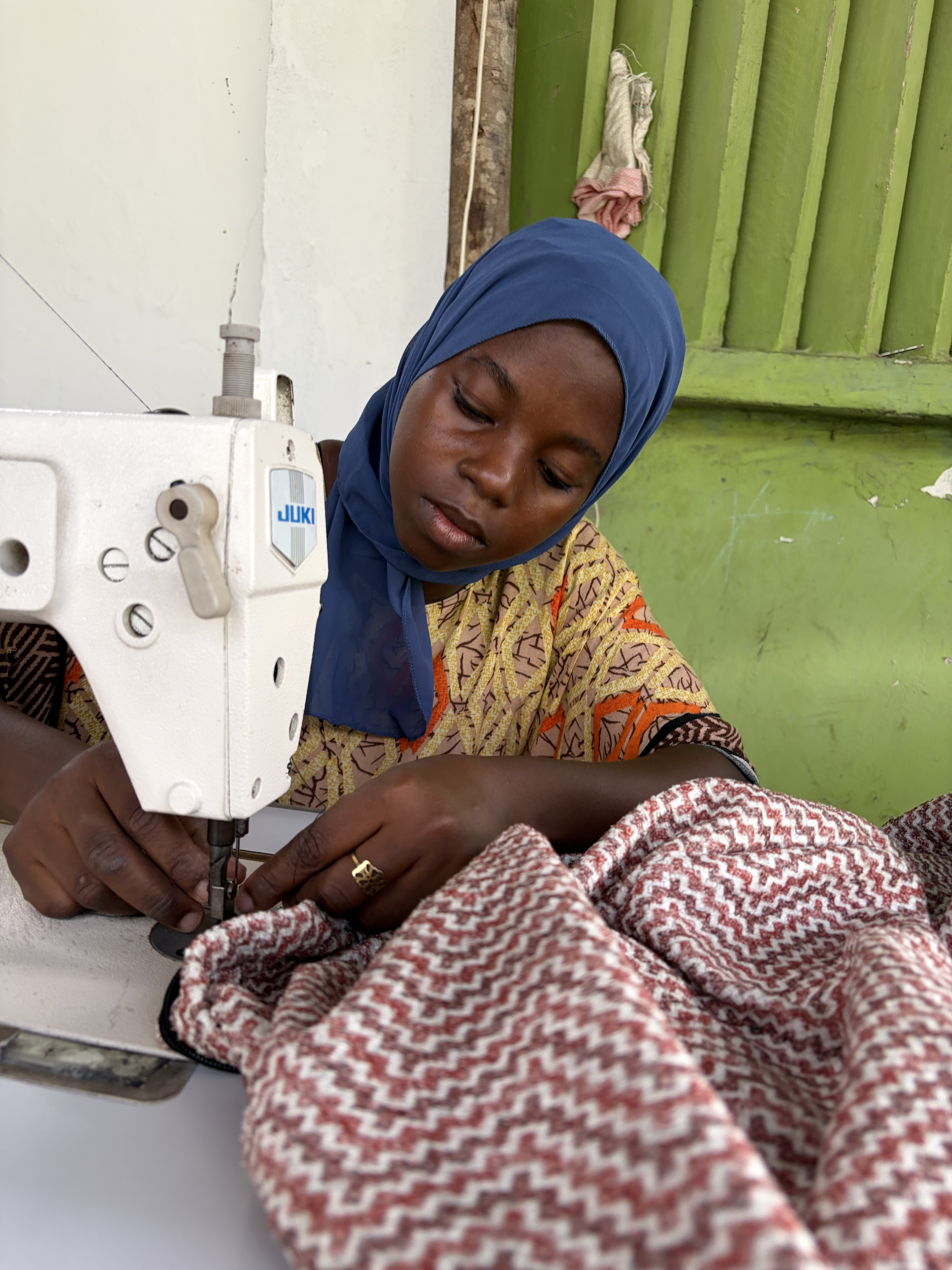
Tailoring
Sacks are transported from rural villages to our tailoring facility in Dar es Salaam where our team of tailors stitch and fill every piece by hand.
What’s special about this fiber:
100% Natural and non-toxic
Kapok doesn’t meet with chemicals at any stage of its production making it a safe, non-toxic fiber.
Helps to keep trees alive
Giving a value to kapok fruits ensure surrounding communities can earn from trees year-on-year. So instead of chopping it down for lumber or firewood, we’re incentivising forest communities to keep trees alive for their fruits.

Promotes human-wildlife coexistence
In villages where farming is hard because of elephants, kapok harvesting provides an alternative income source.
Biodegradable
In a world where most soft-furniture is stuffed with plastics, we provide a sustainable alternative that helps to avoid plastic use.

Empowers rural communities
In remote places where income opportunities are few, kapok harvesting provides vulnerable communities with a stable income source.

Supports climate resilience
The tree is drought resistant and requires no inputs like water and fertilisers making it a reliable source of income for climate-vulnerable communities.